
Twitter (now X) remains one of the most valuable real-time data sources on the internet. It captures global conversations, breaking news, financial sentiment, and cultural trends in a format that is fast, public, and highly structured. Because of this, Twitter has become a core data source for industries such as AI training, market intelligence, media monitoring, and brand analytics.
However, in 2026, accessing Twitter data at scale has become significantly more complex than in previous years. What was once a relatively open platform has evolved into a highly controlled ecosystem with strict API limitations, advanced anti-bot systems, and dynamic content delivery architecture.
As a result, Twitter scraping is no longer a simple technical task. It has become a full-scale data infrastructure challenge that requires a combination of automation, distributed systems, and network-level intelligence.
This guide provides a complete breakdown of Twitter scraping in 2026, including how it works, why it has become difficult, the best technical approaches, and why proxy infrastructure is now a core component of any scalable data system.
What Is Twitter Scraping?
Twitter scraping refers to the automated process of extracting publicly available data from Twitter’s web interface or internal data endpoints. This data may include tweets, user profiles, hashtags, engagement metrics, timelines, and real-time trends.
Unlike official API-based access, scraping does not rely on structured developer endpoints. Instead, it collects data directly from the platform’s front-end or network responses, simulating how a real user interacts with the system.
In modern data workflows, Twitter scraping is widely used for sentiment analysis, AI dataset generation, competitor monitoring, financial market prediction, and brand reputation tracking.
Despite its usefulness, scraping Twitter has become increasingly difficult due to platform-level restrictions and anti-automation mechanisms.
Is Twitter Scraping Still Possible in 2026?
The short answer is yes, but not in the same way as before.
Twitter scraping is still technically possible, but it now requires significantly more advanced infrastructure compared to traditional web scraping methods. Simple HTTP requests or basic HTML parsing are no longer sufficient because most Twitter content is dynamically rendered and protected by multiple layers of detection systems.
Modern scraping systems must account for browser rendering, session management, IP reputation, behavioral simulation, and continuous adaptation to platform changes.
In practice, Twitter scraping today is less about extracting data and more about maintaining persistent access under restrictive conditions.
Why Twitter Became One of the Hardest Platforms to Scrape
The difficulty of scraping Twitter is not caused by a single factor, but rather a combination of overlapping protection systems that work together to detect and block automated traffic.
One of the primary challenges is the shift to dynamic content rendering. Most Twitter content is no longer present in static HTML. Instead, tweets, threads, and timelines are loaded asynchronously through internal API calls after page load. These endpoints are frequently updated and not stable for long-term use.
Another major challenge is advanced bot detection. Twitter evaluates not only IP addresses, but also browser fingerprints, scrolling behavior, mouse movement patterns, session timing, and interaction consistency. This behavioral analysis allows the platform to distinguish between real users and automated systems with high accuracy.
Rate limiting and session-based restrictions also play a critical role. Even legitimate traffic can be temporarily blocked if it exceeds certain thresholds or exhibits repetitive behavior patterns.
Finally, the platform has introduced stronger authentication requirements. Many types of content now require login sessions, cookies, and continuous session validation, making anonymous access significantly more difficult.
The Role of the Twitter API and Why It Is Not Enough
Twitter does provide an official API, but it is no longer sufficient for most large-scale data applications.
Over the past several years, API access has become increasingly restricted and monetized. Rate limits, pricing tiers, and access controls significantly limit the amount of data that can be collected through official channels.
For many developers and companies, the API does not provide the flexibility or scale required for real-time analytics, historical data collection, or large-scale AI training datasets.
As a result, many organizations supplement API usage with scraping systems or transition entirely to hybrid data collection architectures.
Core Challenges in Twitter Data Extraction
Modern Twitter scraping faces multiple technical barriers that make stable data collection difficult without proper infrastructure.
The most critical challenge is IP-based risk detection. Twitter continuously evaluates incoming traffic and assigns risk scores based on IP reputation, request frequency, and geographic consistency. When suspicious patterns are detected, access may be throttled or completely blocked.
Another major challenge is CAPTCHA and verification flows. When automated behavior is detected, Twitter may trigger verification steps that interrupt data extraction pipelines.
Dynamic rendering adds another layer of complexity. Since content is loaded asynchronously, scraping systems must simulate full browser environments to access complete data.
Additionally, geographic variability affects data consistency. Different regions may see different trends, content availability, or rate limits, requiring multi-region access strategies for accurate global data collection.
Why Proxy Infrastructure Is Essential for Twitter Scraping
In 2026, proxy infrastructure is not optional — it is a core dependency in large-scale Twitter data systems.
Without it, most scraping pipelines fail quickly due to:
- IP blocking
- Rate limiting
- Session instability
Residential Proxies as the Foundation Layer
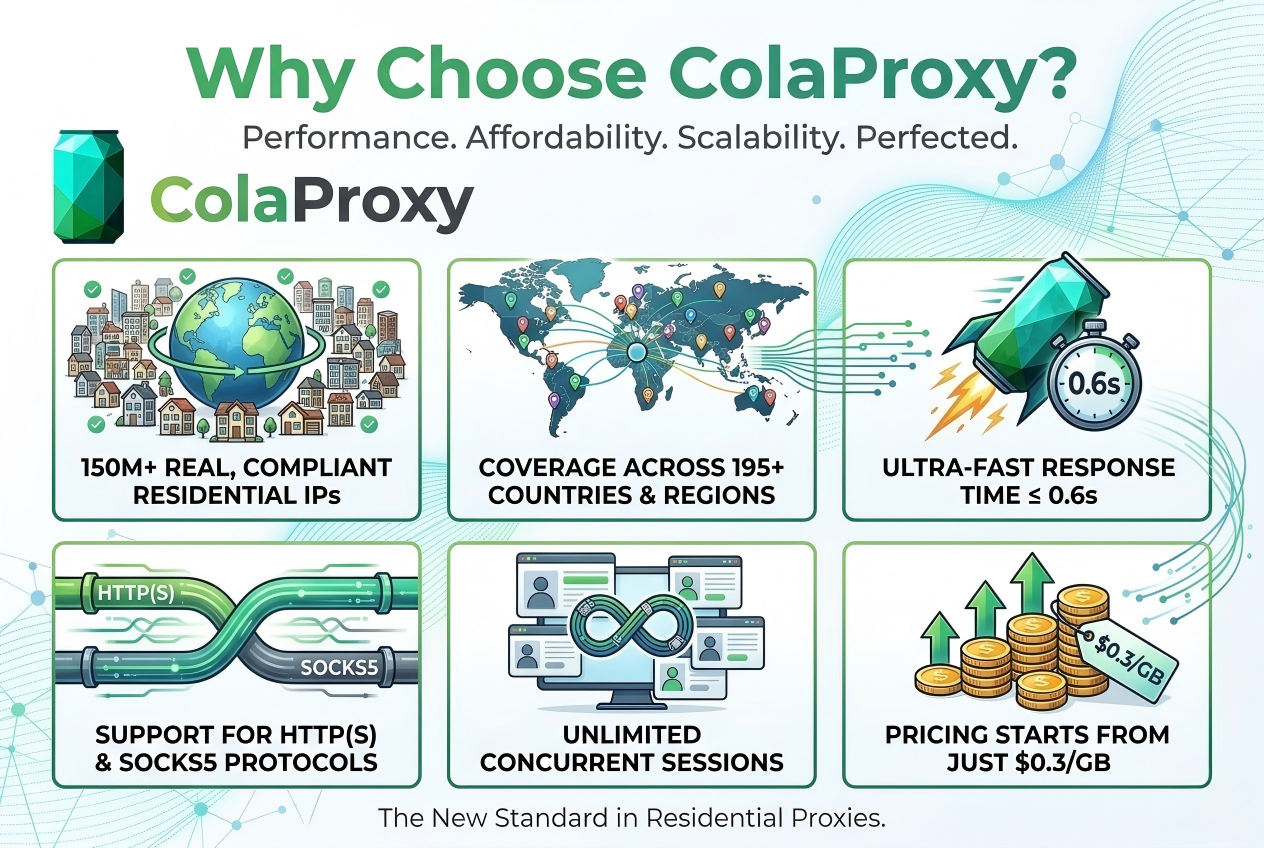
Residential proxies route traffic through real ISP connections, making requests appear as genuine users rather than automated systems.
This significantly improves:
- Access stability
- Request success rate
- CAPTCHA reduction
- Geographic coverage
Production-Grade Proxy Infrastructure
In real-world large-scale systems, proxy infrastructure is typically built using dedicated residential proxy networks with high rotation capacity and geo-distribution capabilities.
These systems are responsible for:
- Distributing request load across multiple IP pools
- Maintaining session continuity under detection pressure
- Supporting multi-region data collection
- Reducing behavioral anomaly signals
At scale, this layer determines whether the entire data pipeline remains stable or gets blocked.
Modern Twitter Scraping Architecture (2026 Standard)
A production-grade Twitter scraping system in 2026 is no longer a simple script. It has evolved into a multi-layered data infrastructure designed to reliably operate under dynamic content rendering, strict access controls, and large-scale throughput requirements.
At the foundation layer, proxy networks handle traffic distribution, IP rotation, and request-level anonymity, ensuring stable access across different regions and reducing detection risk. Above this, browser automation frameworks such as Puppeteer, Playwright, or Selenium are responsible for simulating real user behavior and fully rendering JavaScript-based content.
Once the page is rendered, data extraction layers parse structured elements from the DOM or network responses, converting them into usable datasets. These datasets are then passed into storage and analytics systems, where they are processed for applications such as sentiment analysis, AI model training, trend detection, and market intelligence.
This architecture represents a clear shift in modern scraping systems: from simple data extraction tools to resilient, distributed infrastructure designed for persistent access, adaptability, and scale in highly restricted environments.
Use Cases of Twitter Data in 2026
Despite increasing restrictions, demand for Twitter data continues to grow across AI, finance, marketing, and media industries, driven by real-time analytics and global information tracking.
In artificial intelligence, Twitter datasets are used to train large language models and sentiment analysis systems, thanks to their rich real-time language and emotional signals.
In financial markets, Twitter data is used to track sentiment shifts and detect early signals in stocks, cryptocurrencies, and macro trends.
In marketing, companies rely on Twitter data to monitor campaigns, measure engagement, and manage brand reputation through social listening tools.
Media organizations use Twitter as a real-time news source to identify breaking events and global discussions faster than traditional channels.
Overall, Twitter data continues to grow in value even as access becomes more restricted, making it a key asset for AI, finance, and digital intelligence.
Is Twitter Scraping the End of an Era?
Twitter scraping is not disappearing, but it is evolving into a more advanced and infrastructure-driven process. While traditional low-cost scraping methods are becoming increasingly ineffective due to stronger platform protections, the demand for Twitter data continues to grow across AI, finance, and analytics use cases.
Modern scraping systems now rely on distributed infrastructure, browser automation, behavioral simulation, and proxy-based networking to operate at scale. These components are necessary to handle dynamic content, strict rate limits, and advanced bot detection systems.
As a result, Twitter scraping has shifted from a simple technical task into a full-scale data engineering discipline that combines networking, automation, and system architecture.
Legal and Ethical Considerations
Although Twitter content is publicly visible, data collection must still comply with applicable laws, regulations, and platform policies.
Regulations such as GDPR and CCPA place strict requirements on how data is collected, processed, and stored, particularly when it involves user-related information. In addition, platform terms of service may define clear limitations on automated access and large-scale data extraction.
Responsible scraping practices focus on minimizing risk and ensuring compliance by maintaining controlled request rates, avoiding the collection of sensitive or personally identifiable information, and respecting regional data protection frameworks.
Ultimately, sustainable data collection is not only a technical challenge but also an ethical and legal responsibility that ensures long-term system stability and compliance.
Conclusion
Twitter scraping in 2026 represents a major shift in how web data is accessed and processed. It is no longer a simple technical task, but a complex infrastructure challenge involving automation systems, behavioral modeling, and distributed network design.
While access to Twitter data has become more restricted, its value has never been higher. This creates a long-term demand for robust, scalable, and adaptive data collection systems.
In this environment, proxy infrastructure plays a central role. Residential proxy networks and IP rotation systems have become essential components for maintaining access stability, avoiding detection, and enabling global-scale data extraction.
For companies building AI systems, analytics platforms, or real-time monitoring tools, solutions like ColaProxy provide the foundational network layer required to operate in today’s highly restricted data ecosystem.
As platforms continue to evolve, the winners will not be those who simply “scrape data,” but those who build resilient, distributed, and intelligent data infrastructures capable of surviving in an increasingly controlled internet.